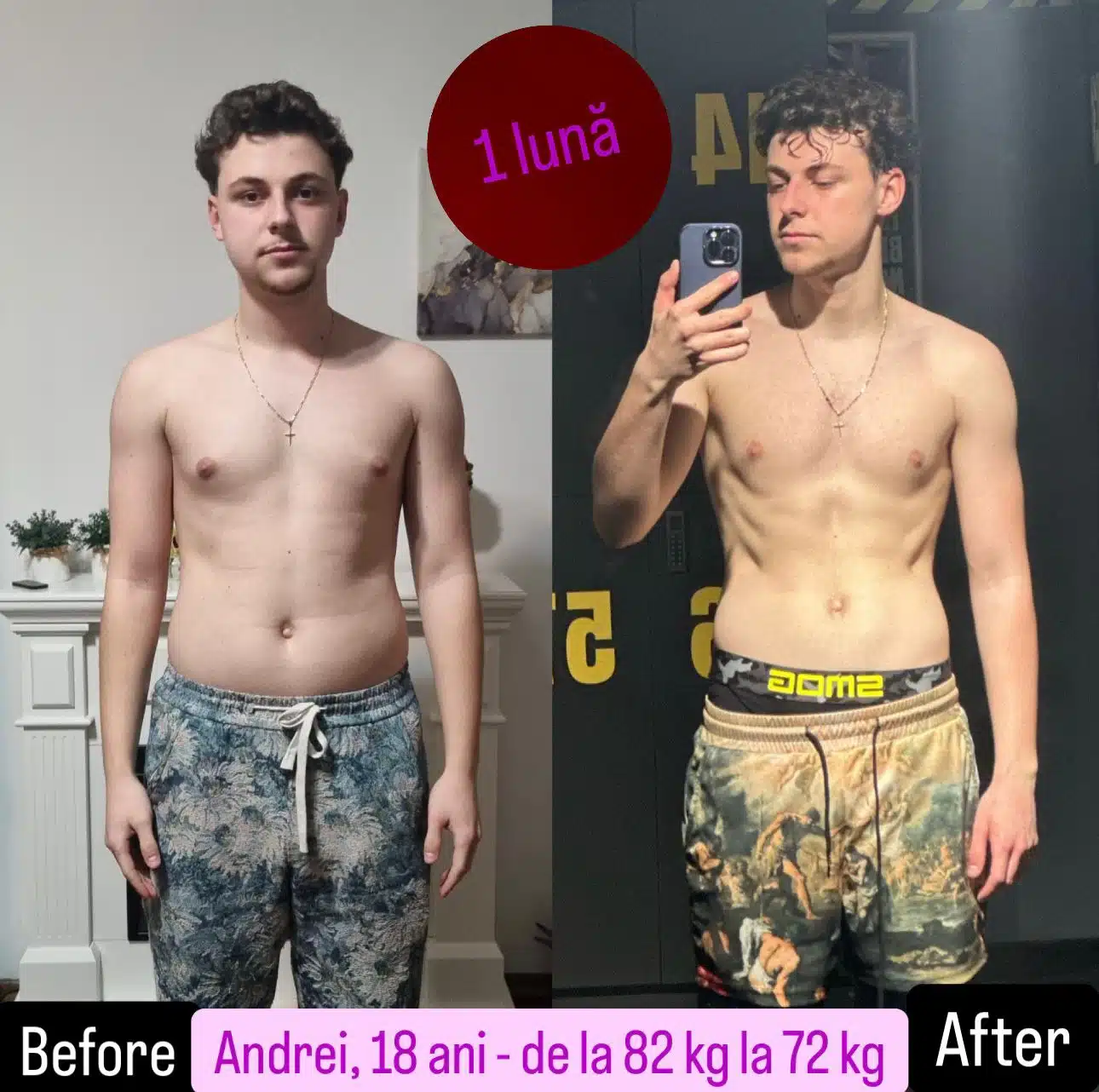
Muscles are involved in many of the things the body does every day, from walking and maintaining posture to activities that require more strength. Beyond movement, muscle tissue also takes part in other important processes that are constantly happening in the body.
The amount of this tissue does not necessarily stay the same throughout life. It can change depending on age, level of physical activity, diet, state of health and other conditions the body goes through. Sometimes the changes are gradual; at other times the loss can be linked to a period of inactivity or to certain health problems.
The weight shown on the scales doesn’t tell you, for example, how much of the body is muscle and how much is other tissue. That is why it is useful first to understand what muscle mass is and what role it plays.
What muscle mass means
Muscle mass is the amount of muscle tissue in the body. When we talk about it in relation to movement and body composition, we mainly mean the skeletal muscles. These are attached to the bones and can be controlled voluntarily, which allows us to make different movements, from walking to activities that require more strength.
This tissue is made up of fibres that can contract and relax. As well as these fibres, skeletal muscles contain blood vessels, nerves and connective tissue. Together, these components form structures that can produce force and support the body’s movement.
The amount of this tissue differs from one person to another and can be influenced by several factors, such as:
- Age
- Sex
- Body size
- Level of physical activity
- Diet
- State of health
What role muscle mass plays in the body
Muscles are known first of all for their role in movement, but their functions don’t stop there. Skeletal muscle tissue takes part in several important processes, from maintaining the body’s position to the way the body uses and stores energy.
The main roles can be summarised as follows:
| Role | Description |
| Body movement | Muscle contraction produces force and makes voluntary movements possible, such as walking, lifting or changing the position of the body |
| Maintaining posture and stability | Muscle activity helps support the position of the body and stabilise the joints |
| Using and storing glucose | Muscles use glucose for energy and can store some of it as glycogen, which can be used later |
| Producing heat | Muscle contractions generate heat and so help maintain body temperature |
| A reserve of protein and amino acids | The tissue contains a large share of the body’s protein. In certain situations, the amino acids from this protein can be used for other processes in the body |
Muscle, then, has more functions than the ones we notice when we move or make an effort. These roles are carried out constantly, including during ordinary activities, and the tissue can change at different stages of life.
Why muscle mass decreases
Muscle can decrease over time for several reasons. Some changes happen gradually, with age, while others may be linked to lifestyle or to certain periods the body goes through.
These are the factors that can contribute:
- Ageing
- Lack of physical activity
- Periods of immobilisation
- An inadequate diet
- Weight loss
- Certain health problems
Rapid weight loss without adequate physical activity and a well-calculated diet can lead to the loss of muscle mass, not just fat. This is where the difference lies between uncontrolled weight loss and weight loss that protects muscle. Weight-loss products can be a support, but only if they are combined with training and a correct nutritional strategy.
These factors don’t necessarily act separately. For example, a period of illness may be accompanied by less movement and changes in diet. That is why the loss can have different causes and develop differently from one case to another.
The decrease in this tissue can also be described as muscle atrophy, depending on the cause and the context. Another term is sarcopenia, which refers to a condition characterised by the loss of strength and mass and seen mainly with ageing. The two terms don’t mean the same thing, and not every reduction in muscle is sarcopenia.
How to build muscle
Muscles grow when the body adapts over time to the demands placed on them. The increase in the size of the fibres is called muscle hypertrophy, and it is a gradual process.
Several elements contribute to this process:
- Resistance training that works the muscles and stimulates their adaptation
- A diet that provides the energy and nutrients the body needs
- An intake of the amino acids needed to build muscle protein
- Recovery, which gives the body the time it needs to repair after exercise
- Consistency, by working the muscles repeatedly
After resistance exercise, processes of adaptation and repair are triggered in the muscles. Protein synthesis is part of this process and means the formation of new protein in the muscles. When, over a longer period, the formation of protein exceeds the amount being broken down, the tissue can grow.
What to eat to build muscle mass
Diet plays an important role in developing muscle, but it isn’t only about protein. The body also needs energy, carbohydrates, fats, vitamins and minerals to support physical activity and the normal processes of functioning and repair.
Sources of protein can include meat, fish, eggs, milk and dairy products, as well as plant foods such as beans, lentils, chickpeas or soya. Carbohydrates are found in foods such as cereals, rice, potatoes, fruit and pulses and are an important source of energy for the body. Fats, in turn, come from many foods, including fish, nuts, seeds and vegetable oils.
A diet that supports muscle development can therefore include several categories of food. The quantities and proportions can vary according to energy needs, level of physical activity and other individual characteristics. Protein plays a particular role in this process, because it provides the amino acids from which the body builds muscle protein.
How many grams of protein a day are needed for muscle mass
The amount of protein the body needs is not the same for everyone. That is why it is often calculated according to body weight. For a healthy adult, the reference intake is about 0.83 g of protein per kilogram of body weight per day. This value refers to general needs, not to an amount set for building muscle.
For people who exercise regularly, higher values of about 1.4-2.0 g/kg body weight/day may also be found. These are general reference points and don’t mean that every active person needs the same amount. Needs can differ according to age, weight, activity level, diet and general state of health.
More protein doesn’t automatically mean more muscle development. The body uses protein for many functions, and the growth of the tissue is influenced by several factors. That is why a general value cannot on its own set the right amount for each person.
Muscle mass changes throughout life
The body goes through many changes throughout life, and muscle is no exception. Some changes happen gradually, while others may be linked to certain periods or changes the body goes through. That is exactly why there isn’t always a single explanation for the way it develops.
Beyond appearance or the number on the scales, muscles are an active part of the body and perform important functions every day. Understanding how they change gives a clearer view of the body and of the many factors that can influence its development over time.